
Take Control of Your Health Through Smarter Eating Choices
Discover evidence-based strategies to reduce sugar and salt intake without sacrificing taste or enjoyment. Join our community of people transforming their relationship with food.
Why Sugar and Salt Reduction Matters
Excessive sugar consumption contributes to weight gain, energy crashes, and increased risk of chronic health conditions. Similarly, high salt intake can affect your blood pressure and overall cardiovascular health. The good news? Small, sustainable changes to your diet can lead to significant improvements in how you feel every day.
At RadiantHealthEat, we believe that reducing sugar and salt doesn't mean eating bland, restrictive food. Instead, it's about discovering delicious alternatives, understanding food labels, and building eating habits that work with your lifestyle rather than against it.
- Practical tips for everyday meals
- Understanding hidden sugars and sodium
- Tasty recipe alternatives and substitutions
- Community support and shared experiences
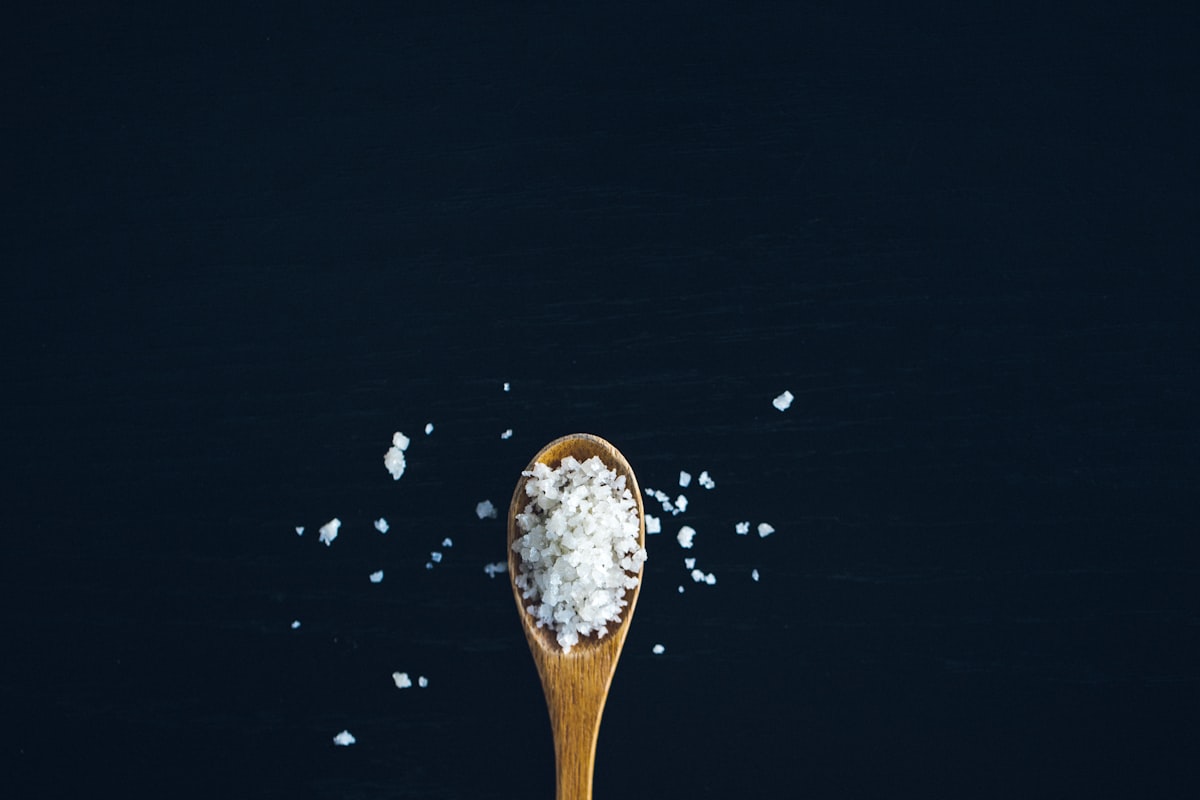
Quick Win Strategies for Daily Reduction
Start with Hydration
Swap sugary drinks for water, herbal tea, or sparkling water with lemon. This single change can significantly reduce your daily sugar intake without any complicated meal planning.
Read Food Labels
Take time to check nutrition labels for added sugars and sodium content. You'll be surprised how much is hidden in seemingly healthy products like yoghurt and bread.
Cook at Home More Often
Prepare your own meals so you control the ingredients. Restaurant and processed foods contain far more sugar and salt than homemade versions.
Flavour with Herbs and Spices
Replace salt with fresh herbs, garlic, lemon juice, and spices. You'll create more interesting flavours while naturally reducing sodium intake.
Choose Whole Foods
Focus on fresh fruits, vegetables, whole grains, and lean proteins. Whole foods naturally contain less added sugar and salt than processed alternatives.
Gradual Adjustment
Your taste buds adapt over time. By slowly reducing sugar and salt, you'll find yourself naturally preferring less sweet and less salty foods.
Your Five-Week Transformation Roadmap
Week One: Awareness
Track your current intake without making changes. Read labels on your favourite foods and notice how much sugar and salt you're consuming daily.
Week Two: Hydration Swap
Replace sugary beverages with water and herbal tea. This immediately reduces your daily sugar intake and helps your body adjust to less sweet flavours.
Week Three: Kitchen Confidence
Start cooking three meals at home per week. Experiment with herbs and spices instead of salt to discover new flavours and build your cooking skills.
Week Four: Smart Shopping
Replace processed staples with whole food alternatives. Shop the perimeter of the supermarket and focus on fresh produce, lean proteins, and whole grains.
Week Five: Consolidation
Review your progress, refine your favourite low-sugar and low-salt recipes, and build sustainable habits. You're now on your way to long-term success.
Real Stories from Our Community
James Mitchell
Manchester
"I've always struggled with my energy levels and couldn't figure out why I crashed mid-afternoon. After reading the articles here about hidden sugars in breakfast cereals, I made the switch to whole grains and natural yoghurt. Within two weeks, my energy was completely different. The practical tips made it so much easier than I expected."
Sarah Lewis
Bristol
"As someone who loves cooking, I was worried that reducing salt would make food taste boring. But the spice and herb combinations I've discovered through these resources have actually made my cooking more exciting. My family barely noticed the reduction, but they definitely notice the improved flavours. This has been a game-changer for us."
Robert Chen
Edinburgh
"My doctor mentioned my blood pressure was creeping up, and I knew salt was likely a factor. Rather than feeling restricted, I used the guides here to understand which foods were major culprits and found brilliant alternatives. It's been three months now, and I feel much more energetic and in control of my diet. The community aspect has kept me motivated throughout the journey."
Emma Thompson
London
"I thought reducing sugar meant giving up sweet treats entirely. Learning about natural sweeteners and how to bake with less sugar has been brilliant. I can still enjoy desserts, just healthier versions. The step-by-step guides made the transition so manageable that my kids didn't even complain about the changes in our household."
Frequently Asked Questions
Most people notice improvements within 2-4 weeks. Energy levels typically stabilise first, followed by reduced cravings and better sleep quality. The timeline varies based on your current intake and metabolism, but consistency is more important than speed. Many people report feeling significantly better after just a few weeks of reduced sugar consumption.
While artificial sweeteners contain fewer calories, they may not be ideal for everyone. They don't help your taste buds adjust to naturally less sweet foods, and some research suggests they may maintain sweet cravings. A balanced approach includes gradually reducing overall sweetness rather than replacing it entirely with substitutes. Explore natural options like stevia or monk fruit if you need some sweetness during your transition.
Processed foods are the biggest culprits. Bread, breakfast cereals, cured meats, tinned soups, sauces, and cheese often contain surprising amounts of sodium. Takeaway food and restaurant meals are also high in salt for flavour preservation and consistency. Even foods that don't taste salty, like breakfast biscuits and plant-based alternatives, can be sodium-heavy. Always check nutrition labels to spot these hidden sources.
Yes, moderately reducing salt intake is safe for active people. Your body efficiently regulates sodium levels. However, during intense exercise lasting over an hour, especially in hot conditions, you may need to consider electrolyte balance. The key is not eliminating salt entirely but avoiding excessive intake. If you have concerns about your specific activity level or health status, consider speaking with a healthcare professional for personalised guidance.
Many restaurants are happy to accommodate special requests. Ask for sauces on the side so you control the amount, request dishes without added salt, and choose grilled or steamed options over fried. Check menus in advance when possible—most establishments now provide nutritional information. Choose restaurants that emphasise fresh, whole ingredients rather than processed components. Eating out occasionally won't derail your progress, so focus on making better choices rather than achieving perfection.
Fresh herbs like basil, parsley, and coriander add brightness without sodium. Garlic, onion powder, and citrus juice provide depth and complexity. Spices such as cumin, paprika, black pepper, and chilli powder create interesting flavour profiles. Vinegar, soy sauce alternatives with reduced sodium, and miso add umami richness. Experiment with combinations to find what you enjoy most. Your palate will adjust quickly, and you'll discover you prefer the natural flavours of quality ingredients.
Start Your Journey to Better Health Today
Explore our comprehensive library of articles, guides, and community insights. Whether you're just beginning to think about sugar and salt reduction or looking to refine your existing habits, we have resources designed for you.
Have questions or feedback about our content? Get in touch with our editorial team.